G · GCEA
Arirang
Korea's best-known folk song, in three-four with a chorus that repeats the same word three times. The melody uses a falling figure that is easy to sing and hard to play without rushing.
Tuning: GCEA · Capo: none · Tempo: 76 bpm · Metre: 3/4 · Level: intermediate


Words and music: Traditional Korean folk song; the melody is documented in print from 1896. Public domain, and on the UNESCO intangible heritage list since 2012.
The sheet
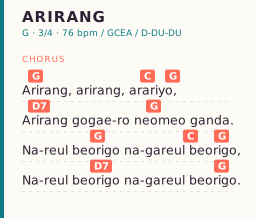
 D-DU-DU
Three beats and a hanging last note
The chorus is eight bars of 3/4 and the phrase always ends on a note that does not feel finished. That is the sound of the song: it is a farewell, and the melody refuses to close. Play the last bar quietly and let it hang.
- Bars 1-2: G, then C, then G again inside two bars. Do not rush the C.
- Bar 3-4: D7 to G, the only full cadence in the chorus.
- Melody notes on the way down are stepwise. If your chords are too loud you lose the line.
The refrain is the whole song
"Arirang, arirang, arariyo" is a nonsense refrain; the meaning of arirang is disputed, with readings ranging from a hill name to a linguistic corruption of an older word. What is not disputed is the second line: "arirang gogae-ro neomeo ganda" — going over Arirang hill. The song is about parting and the hill you cross when you leave.
There are dozens of regional versions (jeongseon arirang, jindo arirang, miryang arirang) with different tempos and different words. The version here is the one most commonly sung today.
Playing it for a non-Korean audience
The melody is easy to follow and the refrain is easy to join, which makes this a good group song even when nobody understands the words. Say one sentence about what it means before you start — going over a hill, saying goodbye — and the room will hear it correctly.
Questions that come up
Is it always in 3/4?
The best-known version is. Jindo arirang is in a much faster compound metre and miryang arirang sits between the two. This sheet is the standard 3/4 reading.
Does the refrain have a meaning I should explain?
The first word is disputed and the rest is a vocable refrain with no literal translation. Say that honestly rather than inventing a meaning; audiences respond better to the honest answer.